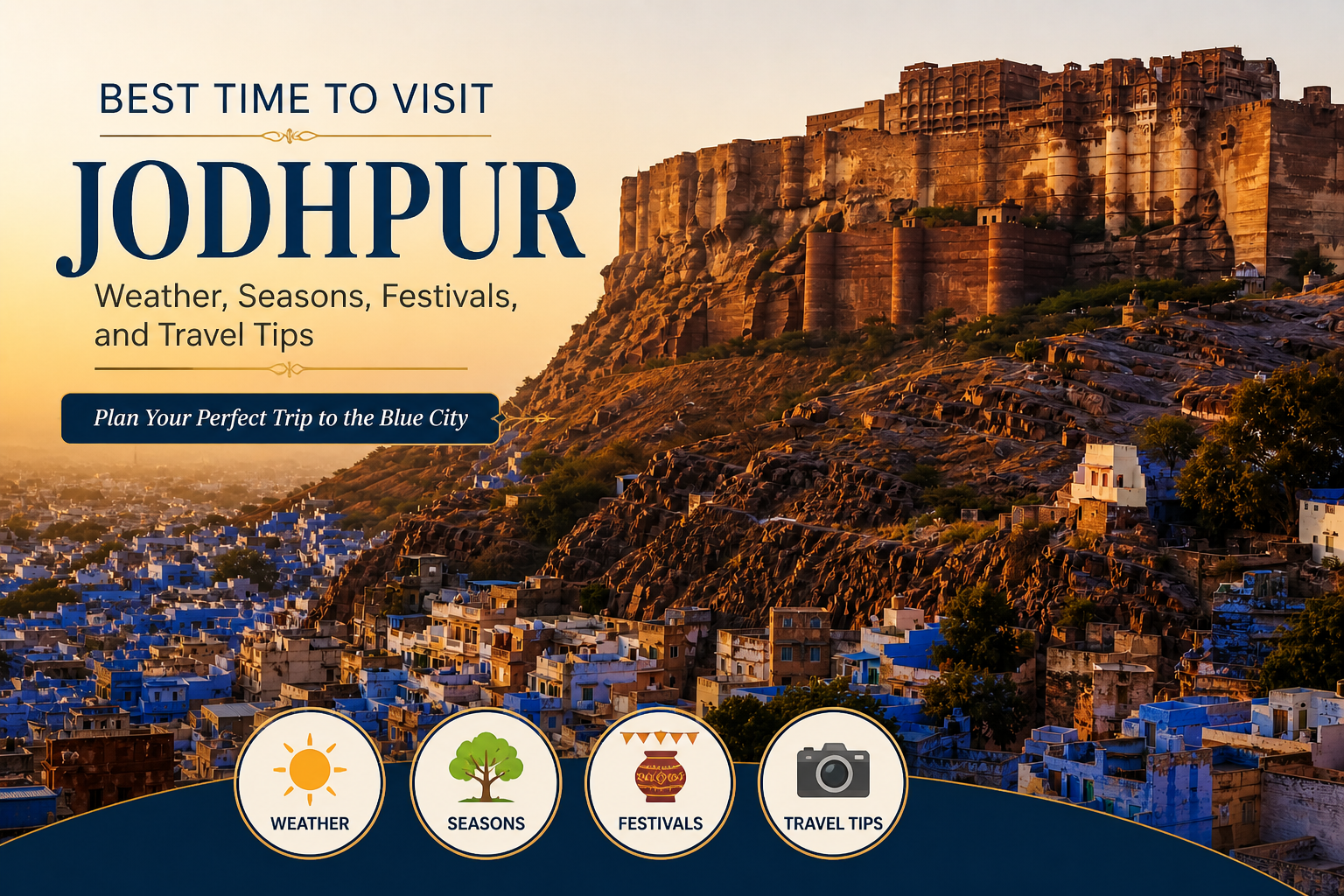
Are you wondering about the best time to visit Jodhpur? Known as the Blue City of Rajasthan, Jodhpur offers stunning forts, vibrant culture, and desert adventures year-round. Whether you’re planning a solo trip or exploring the best time to visit Jodhpur and Jaisalmer together, this complete guide covers everything — from weather and seasons to festivals and travel tips. Many travelers also search for the best time to visit Jaisalmer and Jodhpur, and we’ve covered that too. Let’s dive in!
Jodhpur is one of those cities that stays with you long after the trip ends. The color of the old blue houses, the scale of Mehrangarh Fort, the rhythm of the markets, and the desert light all make it feel different from many other destinations in Rajasthan. But if you want to enjoy the city properly, timing matters. The weather can shape everything from how comfortably you explore forts and stepwells to whether you enjoy long market walks, village excursions, or road trips into the desert.
If you are planning your Rajasthan trip and wondering about the best time to visit Jodhpur, the short answer is this: the most pleasant months are from October to March. During this period, the weather is cooler, sightseeing is more comfortable, and the city feels lively without being exhausting. That said, each season offers a different side of Jodhpur, and the right choice depends on whether you care most about weather, crowds, photography, local festivals, or budget.
For travelers who want a smooth and well-planned experience, it helps to combine your visit with trusted local support such as Travel House Jodhpur reliable travel assistance in Jodhpur, well-timed , and a flexible car or bike rental in Jodhpur. The city becomes much easier to enjoy when transportation and local guidance are sorted in advance.
Why the Time of Year Matters in Jodhpur
Jodhpur is located on the edge of the Thar Desert, so the climate can be more extreme than many first-time visitors expect. In winter, the city is pleasant, bright, and ideal for walking tours. In summer, the heat becomes intense, especially during the afternoon. During monsoon, Jodhpur does not turn lush in the same way as hill stations or coastal regions, but the occasional rain brings a softer atmosphere, dramatic skies, and a slightly quieter travel season.
This matters because most of Jodhpur’s top experiences are best enjoyed outdoors. Think about a morning inside Mehrangarh Fort, a late-afternoon walk through the old city, a visit to Jaswant Thada, a village excursion outside town, or a drive to nearby desert landscapes. These experiences are far more enjoyable when the weather supports them. If your trip includes multiple local experiences, a Jodhpur City Sightseeing Tour or a customized plan from a local tour guide in Jodhpur can help you fit more into the cooler parts of the day.
Best Time to Visit Jodhpur: October to March
For most travelers, October to March is the best time to visit Jodhpur. These months bring the most balanced conditions for sightseeing, photography, shopping, and local exploration. Daytime temperatures are usually comfortable, especially from November to February, and the mornings and evenings feel pleasant enough for fort visits, rooftop dining, and heritage walks.
October is a very good transition month. The intense summer heat has passed, and the city starts becoming more travel-friendly. The days can still feel warm, but mornings and evenings are much easier. This is a nice time for travelers who want relatively good weather without the peak winter rush.
November and February are often ideal because they combine enjoyable weather with strong sightseeing conditions. You can comfortably spend a full day moving between historical sites, local markets, and nearby attractions without feeling rushed by the climate. These are also great months for those considering Jodhpur-based Rajasthan tour packages that include both city exploration and road travel to nearby destinations.
December and January are the coolest months and often the most comfortable for daytime exploration. This is the season many travelers love most. The light is softer, the skies are usually clear, and heritage photography looks especially beautiful. The only thing to keep in mind is that early mornings and late evenings can feel chilly, so carrying a light jacket is a smart idea.
March is still manageable for travel, especially in the first half of the month, but the heat begins to rise. If you visit in March, it is better to plan your days intelligently, with sightseeing in the morning and late afternoon rather than noon.
Visiting Jodhpur in Winter
Winter is the peak travel season in Jodhpur for a reason. The weather allows you to experience the city the way it deserves to be experienced: slowly, comfortably, and with time to notice the details. You can spend longer inside architectural sites, explore narrow blue lanes without fatigue, and enjoy rooftop views without constantly looking for shade.
This season is particularly good for:
- heritage walks
- fort and museum visits
- local food exploration
- market browsing
- day trips around Jodhpur
- photography and content creation
If you want the classic Jodhpur experience, winter is the safest and strongest choice. It is also the best season for first-time visitors who want to combine old-city charm with structured local exploration. A planned itinerary with Jodhpur local tours can help you cover the most important attractions efficiently, especially if your trip is short.
Is Summer a Bad Time to Visit Jodhpur?
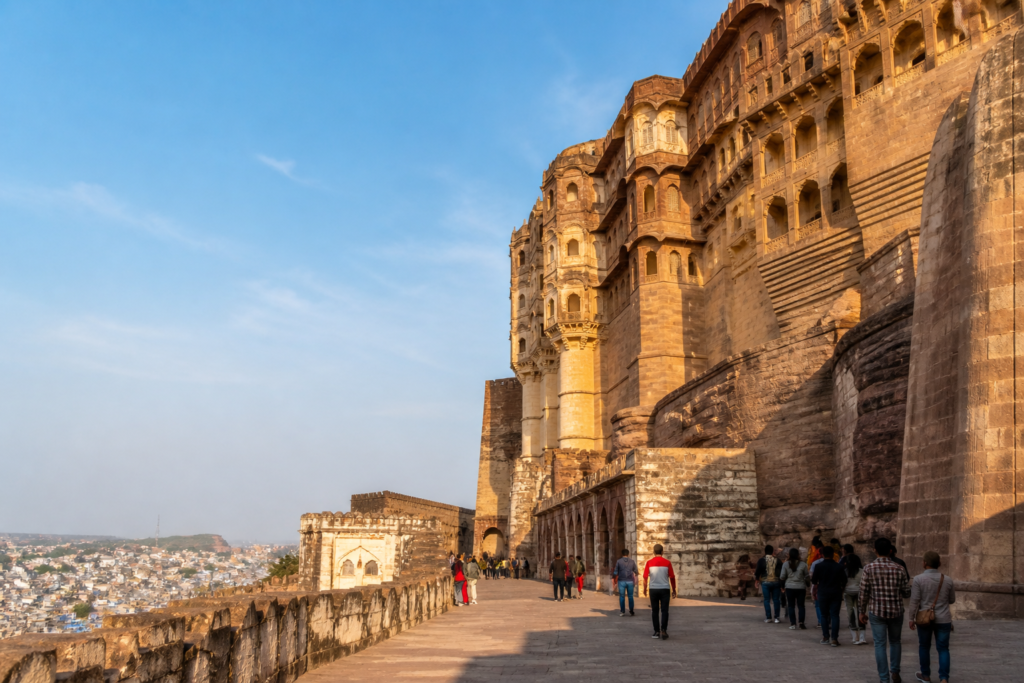
Summer in Jodhpur, usually from April to June, is not the ideal season for most leisure travelers. Temperatures can become very high, and midday sightseeing can feel draining. If your idea of travel involves long walks, multiple monuments, local markets, and outdoor photography, summer will be challenging.
That does not mean summer is impossible. It simply requires a different approach. If you travel in this season, you need to plan around the heat:
- start early in the morning
- take a long indoor or hotel break in the afternoon
- go out again in the evening
- stay well hydrated
- avoid overpacking the schedule
Summer can work better for experienced India travelers, budget-conscious travelers, or people who are passing through Jodhpur for a short stay rather than building an entire city break around it. It can also be manageable if you rely on private transport. That is where comfortable car rentals in Jodhpur become more than a convenience; they become part of making the trip practical.
If you do visit in summer, guided sightseeing is still possible, but it should be curated carefully. A knowledgeable Jodhpur tour guide can help you prioritize shaded, indoor, or shorter-stop attractions and reduce unnecessary movement in peak heat.
Jodhpur During Monsoon: Underrated but Situational
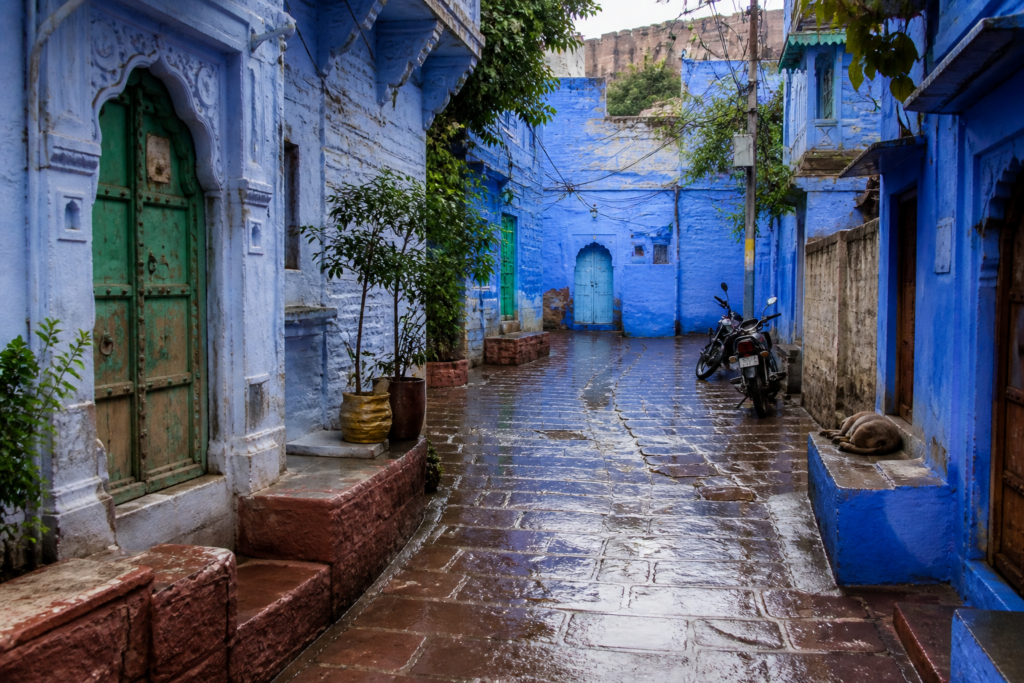
Monsoon in Jodhpur usually falls between July and September. This is not a heavy-rain destination in the same sense as parts of South India or the Himalayan foothills, but the city does receive occasional rain, cooler breezes, and moodier skies. The desert-edge setting takes on a gentler tone, and the light after rainfall can be surprisingly beautiful.
For some travelers, monsoon is an underrated time to visit Jodhpur. The city can feel less crowded, hotel prices may be softer, and the atmosphere becomes more romantic for photography. The sandstone architecture can look richer after rain, and the blue houses often stand out more dramatically against overcast skies.
Still, monsoon is not automatically the best season. Sudden showers can interrupt outdoor plans, and if your goal is long, uninterrupted sightseeing days, winter remains the stronger choice. Monsoon is better for travelers who do not mind some weather variation and prefer mood over predictability.
This season works especially well if your trip is more flexible and built around selective experiences, such as a fort visit, old-city wandering, local food, and shorter drives with private transport in Jodhpur. If you are combining Jodhpur with broader regional travel, it is worth checking whether your Rajasthan tour package from Jodhpur is designed well for the season.
Best Time for Sightseeing in Jodhpur
If your main goal is sightseeing, the best time to visit Jodhpur is from November to February. These months are ideal for exploring the city’s major attractions at a comfortable pace. You can spend more time at Mehrangarh Fort, enjoy panoramic viewpoints, visit Jaswant Thada without fatigue, and continue into local neighborhoods or markets afterward.
This is also the best season for travelers who want to make the most of a Jodhpur City Sightseeing Tour. You will get more value from the day because the weather allows you to move between stops without the extreme exhaustion that summer can bring. If you are the kind of traveler who likes history, architecture, local stories, and efficient route planning, this season makes everything easier.
For deeper context, especially inside the old city, using a professional local guide in Jodhpur can improve the experience significantly. Jodhpur is not just a fort and a few famous landmarks. It is also about hidden lanes, neighborhood traditions, stepwells, local legends, and the lived texture of the city.
Best Time for Photography
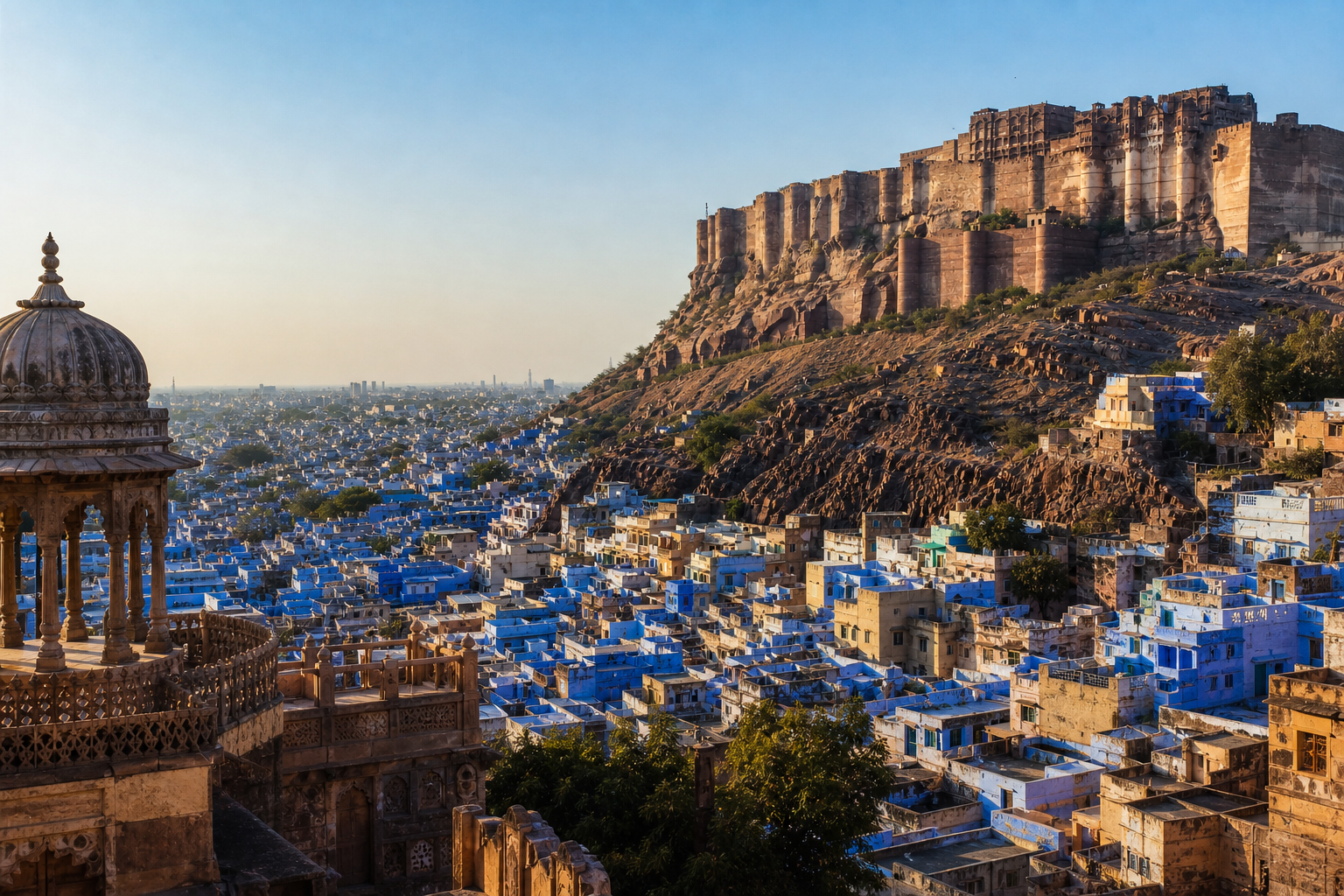
Photographers and content creators will generally love Jodhpur between October and March. Clear skies, gentle winter sun, and golden-hour warmth make the city incredibly photogenic. The blue houses, the fort walls, and the desert-toned architecture all respond beautifully to this light.
Early morning is especially rewarding if you want wide city views and softer contrasts. Late afternoon is ideal for fort exteriors, rooftops, and market atmosphere. Monsoon can also create striking images, but it is less predictable.
If photography is a major priority, consider planning with private Jodhpur tours or local transport support so you can reach viewpoints and heritage areas at the right time of day rather than depending on ad hoc movement.
Best Time for Festivals and Culture
If you want culture, local energy, and a more festive travel experience, the cooler season is again your best bet. Jodhpur becomes especially enjoyable when the weather allows locals and visitors alike to spend more time outdoors. Markets feel more active, rooftops become more inviting, and evening experiences improve.
Depending on the year, this period may also align with major celebrations and cultural events in Rajasthan. Even when you are not visiting during a headline festival, the city simply feels more alive in the cooler months. Music, food, crafts, and old-city walks all feel easier to enjoy.
For travelers interested in combining culture with convenience, it helps to start with local travel planning in Jodhpur and then add a mix of guided city tours and selective self-exploration.
Which Season Is Best for Different Types of Travelers?
If you are a first-time visitor, choose November to February. It is the easiest, most enjoyable, and most forgiving season.
If you are a photographer, choose October to February for light and atmosphere, or monsoon if you want moodier visuals.
If you are a budget traveler, late summer or monsoon may offer better prices, but you will trade off some comfort.
If you are traveling with family or older parents, winter is by far the safest option because it reduces weather-related fatigue.
If you are planning a Rajasthan circuit, October to March is the best overall season because it works well not just for Jodhpur but for surrounding destinations too. That is why many travelers prefer Jodhpur-linked Rajasthan packages in these months.
How Many Days Should You Spend in Jodhpur?
To really enjoy the city, 2 to 3 days is ideal. One day can cover the core highlights, but it often feels rushed. Two days gives you space for the fort, the old city, markets, food, and a more relaxed pace. Three days is even better if you want to include nearby cultural or rural experiences.
A practical structure could be:
- Day 1: core city monuments and heritage sites
- Day 2: old city, food, market, and local cultural exploration
- Day 3: nearby excursion or a slower customized city experience
This is where internal planning matters. A well-timed city sightseeing tour in Jodhpur, access to rental transport, and support from a local guide can make a short trip feel far more complete.
Final Answer: What Is the Best Time to Visit Jodhpur?
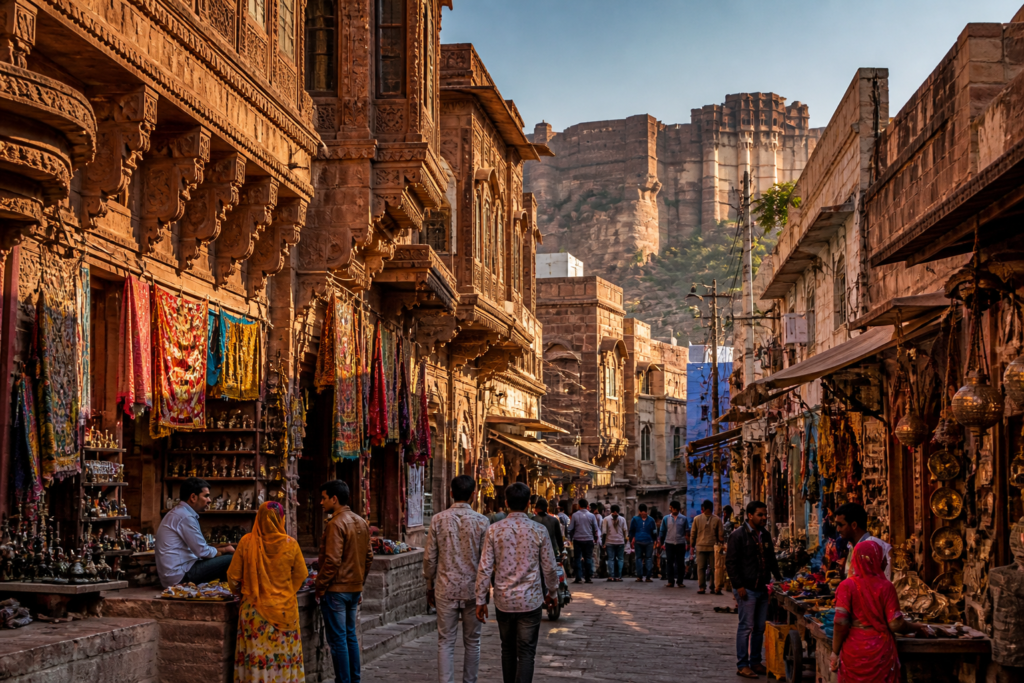
If you want the clearest recommendation, the best time to visit Jodhpur is from October to March, with November to February being the most comfortable period for sightseeing, photography, local culture, and day tours. This is when the city is easiest to explore and when most travelers will get the best overall experience.
If you prefer fewer crowds and do not mind some weather variation, monsoon can also be rewarding in its own way. Summer is best avoided unless you are prepared for strong heat and plan your days carefully.
Jodhpur rewards travelers who choose the season well. The city is rich in color, history, texture, and atmosphere, but it opens up most beautifully when the weather lets you slow down and enjoy it. If you are planning your trip, start with local travel support in Jodhpur, explore the available Jodhpur tours, look at suitable Jodhpur tour packages, and decide whether a car or bike rental or a guided experience suits your travel style best.
That combination will help you enjoy Jodhpur not just at the right time, but in the right way.